Hearing Aids & Accessories
Top Assistive Listening Devices

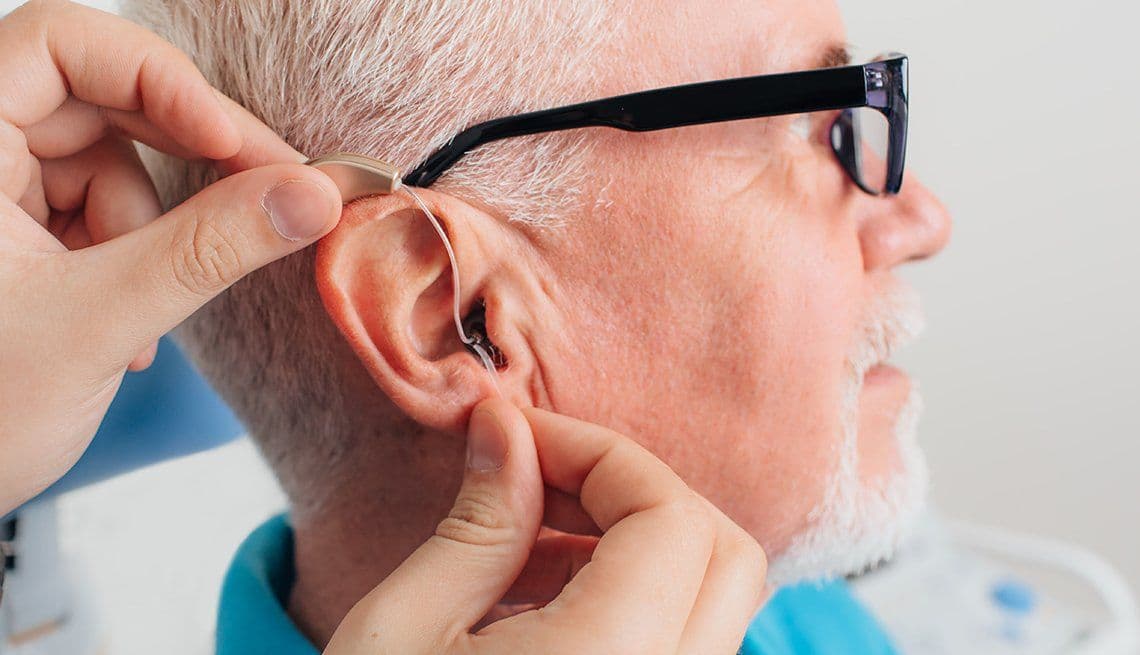
Hearing aids are the most important step in improving communication for an individual with hearing loss and are extremely beneficial in most situations. In some cases, there may be accessories that will work in conjunction with your hearing aids to help improve hearing in noise, hearing the television and hearing on the phone.
Hearing aids have come a long way in the past several years! Now most hearing aids are equipped with Bluetooth streaming technology so they can connect directly to Apple and Android products. Not only do these devices directly connect to smartphones and tablets, but there are adaptors for the television that will stream the TV right to the users’ hearing aids.
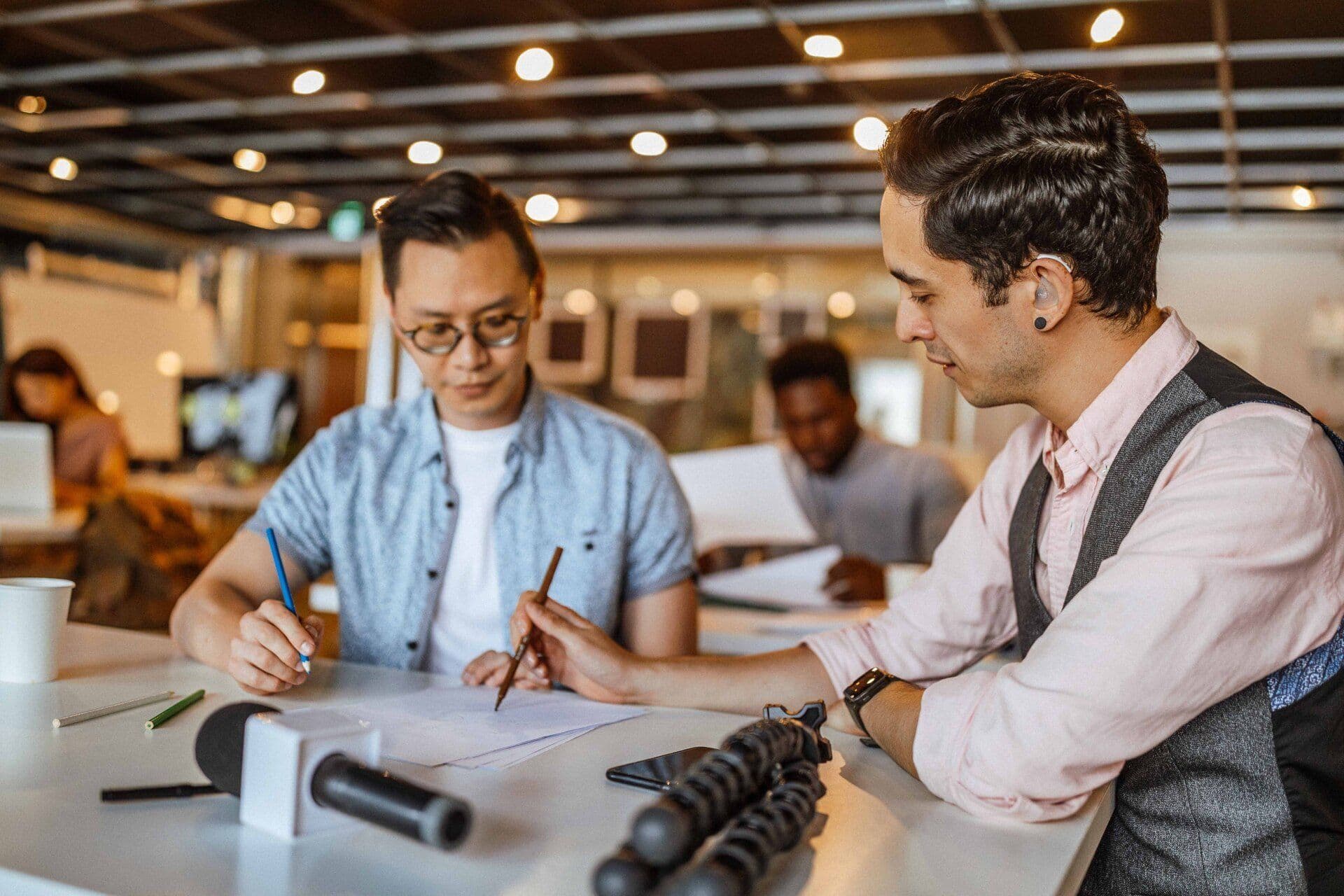
Most manufacturers have microphone systems to help improve the signal-to-noise ratio when listening to someone in competing background noise. A communication partner will wear a microphone that sends the sound from that partner straight to the hearing aid! These systems can be simple and inexpensive for more basic use, but also there are more sophisticated systems for more extensive use in schools, conferences, live performances and religious services, which are more expensive but are the most effective at improving hearing in noise.
Hearing aids can also come equipped with a telecoil. This is a system that will pick up a special electromagnetic sound signal in certain environments, and then amplify the sound in the hearing aid. Simply having a telecoil program added to your hearing aid can enhance hearing in specially equipped environments. These electromagnetic signals are present in landline phones and in looped public places (called “hearing loops”). Common places with hearing loops include places of worship, theatres and libraries.
If you don’t have a smartphone or tablet, there are many options available for you! We also have accessories for anyone who doesn’t use hearing aids but needs help in situations such as watching TV or talking on the phone.
We also provide devices for individuals who may not be hearing aid candidates due to dexterity, mobility and cognitive difficulties that allows the user to wear a headset and the speaker to speak into a microphone that is directly connected to the headset of the individual with hearing loss. The most common make of this type of device is a Pocket Talker.
Devices can also be purchased for the hard of hearing to alert them in emergency situations, including smoke alarms, carbon monoxide detectors, doorbells, baby monitors, pagers, alarm clocks, call alerting devices, land-line phones, monitor headsets, amplified stethoscopes and for secondary sounds sources (stereos, desktop computers etc).
Our team can recommend the best assistive listening devices for your routines and hearing challenges.
Was this article helpful?